
Nerve conduction studies.
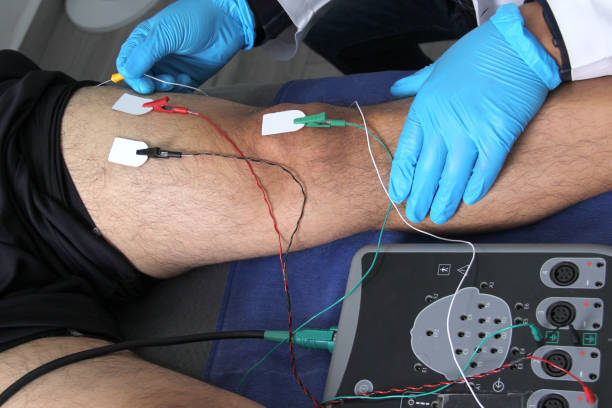
A nerve conduction study (NCS) is a diagnostic test that assesses peripheral nerve function, aiding in the diagnosis of issues like peripheral neuropathy and nerve compression syndromes. It measures electrical current flow through motor and sensory nerves, helping determine the cause, severity, and prognosis of related conditions. NCS is recommended for patients experiencing symptoms such as tingling or numbness in various body parts and can be conducted in outpatient or hospital settings as needed.
Why might I need a nerve conduction velocity test?
NCV is often used along with an EMG to tell the difference between a nerve disorder and a muscle disorder. NCV detects a problem with the nerve, whereas an EMG detects whether the muscle is working properly in response to the nerve’s stimulus.
Nerve conduction studies may also be done to find the cause of symptoms, such as numbness, tingling, and continuous pain.
What are the risks of NCV tests?
The voltage of the electrical pulses used during an NCV is considered very low.
Risks depend on your specific medical condition. Be sure to discuss any concerns with your healthcare provider before the procedure.
Certain factors or conditions may interfere with the results of NCV tests. This includes damage to the spinal cord, severe pain before the test, and body temperature.
Tell your healthcare provider if you have a cardiac defibrillator or pacemaker, as precautions may need to be taken.
How do I get ready for an NCV test?
Your healthcare provider will explain the procedure and you can ask questions.
You will be asked to sign a consent form that gives your permission to do the procedure. Read the form carefully and ask questions if something is not clear.
Generally, you will not need to fast or get sedation before the procedure.
Normal body temperature must be maintained before and during the procedure, as low body temperature slows nerve conduction.
Tell your healthcare provider of all medicines (prescription and over-the-counter) and herbal supplements that you take.
Dress in clothes that allow access to the area to be tested or that are easily removed.
Stop using lotions or oils on your skin for a few days before your procedure.
Based on your medical condition, your healthcare provider may request other preparation.
What happens during the NCV test?
An NCV procedure may be done on an outpatient basis, or as part of your stay in a hospital. Procedures may vary depending on your condition and your doctor’s practices.
The NCV is done by a neurologist. This is a doctor who specializes in brain and nerve disorders. A technologist may also do some parts of the test.
Generally, an NCV procedure follows this process:
-
You will be asked to remove any clothing, jewelry, hairpins, eyeglasses, hearing aids, or other metal objects that may interfere with the procedure.
-
If you are asked to remove clothing, you will be given a gown to wear.
-
You will be asked to sit or lie down for the test.
-
A neurologist will locate the nerve(s) to be studied.
-
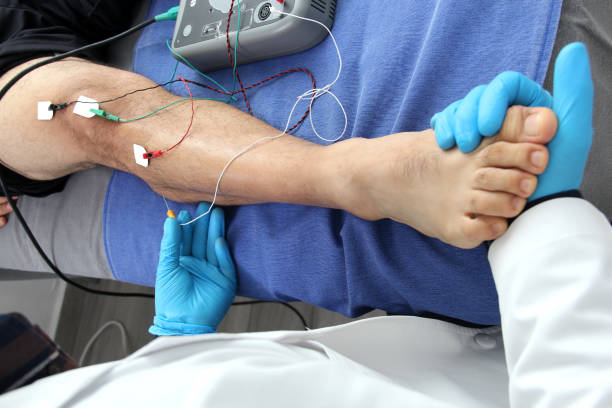
A healthcare provider will attach a recording electrode to the skin over your nerve, using a special paste. He or she will then place a stimulating electrode away from the recording electrode, at a known distance.
-
A mild and brief electrical shock, given through the stimulating electrode, will stimulate your nerve.
-
You may experience minor discomfort for a few seconds.
-
The stimulation of the nerve and the response will be displayed on a monitor.